


Designing for the Present While Planning for the Future
The first step in creating a home that adapts over time is recognizing that each space serves a purpose that changes with its users. For example, a kitchen is more than a place to prepare meals; it serves as a social hub for young couples, a command center for busy families, and a space for entertaining as lifestyles mature. Similarly, closets, home offices, and living rooms must accommodate changing needs, ranging from storage for toys and sports equipment to spaces optimized for remote work or hobbies that may emerge over time. Outdoor areas, terraces, and multipurpose rooms also require flexible solutions that can adapt to seasonal and lifestyle changes.
At GROF, we tackle this challenge with the principle of Adaptive Luxury. This approach involves designing spaces that are both timeless and flexible, allowing for reconfiguration or upgrades without compromising their essential aesthetic. We select materials, finishes, and layouts not only for their beauty and quality but also for their versatility. The goal is to create a home that grows with you, anticipating changes before they become constraints. By incorporating modular furniture, adjustable storage systems, and multifunctional surfaces, each space can evolve naturally while maintaining its elegance.
Understanding the reasons behind each space’s design choices is crucial. For example, why should a young couple prioritize open, social kitchen layouts? Because shared experiences and entertainment define their lifestyle. Similarly, why must a family with children invest in high-capacity cabinetry and durable finishes? These spaces need to withstand heavy daily use while supporting efficiency and comfort. Even small details, such as countertop height, appliance placement, and circulation paths, can significantly impact how well a home adapts as needed. By aligning design with life stages, a home becomes a dynamic companion rather than a static backdrop.
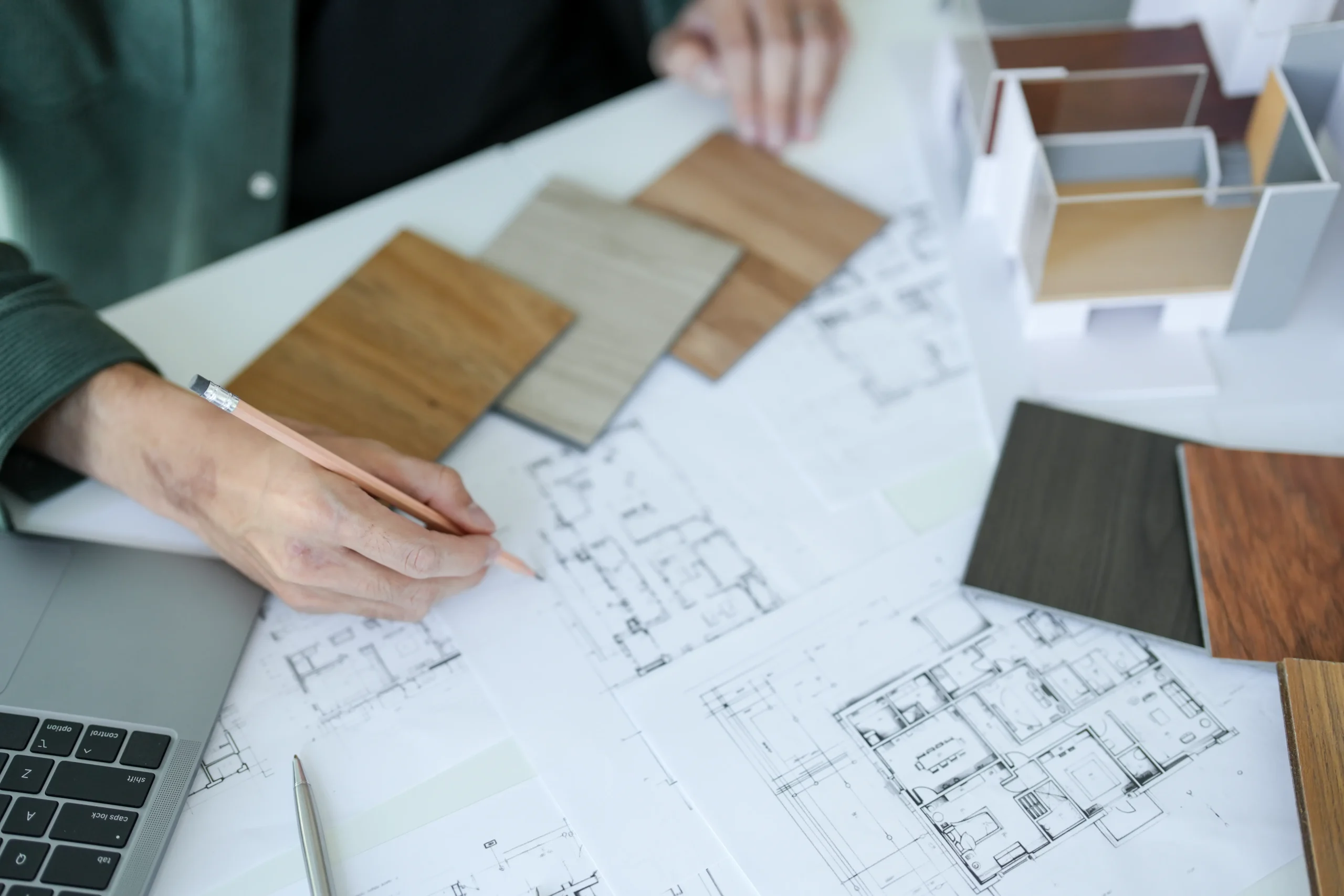
The Timeline of Change: When and How to Adapt
Change in a home should feel natural, not disruptive. A proactive approach takes into account both gradual updates and significant life events.
- The 5-7 Year Rule: Making small adjustments every five to seven years, whether in lighting, furniture arrangements, or finish updates, can help keep a home aligned with evolving personal needs and technological advancements. This timeline allows the space to remain fresh, functional, and reflective of current lifestyle priorities without needing a drastic renovation. Updating textiles, hardware, or decorative elements can also rejuvenate a space while preserving its core design.
- Life-Event Triggers: Major milestones naturally create a need for more substantial adaptations. Events such as marriage, the arrival of children, transitions to remote work, or retirement often require redesigning key spaces like kitchens, bathrooms, closets, and home offices. GROF collaborates closely with clients to anticipate these pivotal moments and plan modifications that enhance both comfort and functionality. By considering how the household will interact with each space, we help design homes that accommodate changes seamlessly, minimizing disruption and maximizing utility.
- Future-Proofing: The most effortless adaptations begin at the design stage. Modular systems, high-quality finishes, and flexible layouts make future changes more manageable and cost-effective. Whether it involves installing adjustable storage systems, integrating multi-functional cabinetry, or choosing surfaces and fixtures that maintain their appeal over time, proactive planning ensures that a home remains both beautiful and practical for decades to come. Investing in premium materials from the outset reduces the need for frequent replacements and preserves the integrity of the design.
By considering these timelines and triggers, homeowners can avoid the common pitfalls of design obsolescence. Each update, whether minor or major, becomes an opportunity to enhance the home’s usability and reflect the evolving identity of its inhabitants. Thoughtful planning also enables technological upgrades, such as smart home systems, integrated lighting controls, and climate management, ensuring that homes remain relevant in an increasingly connected world.
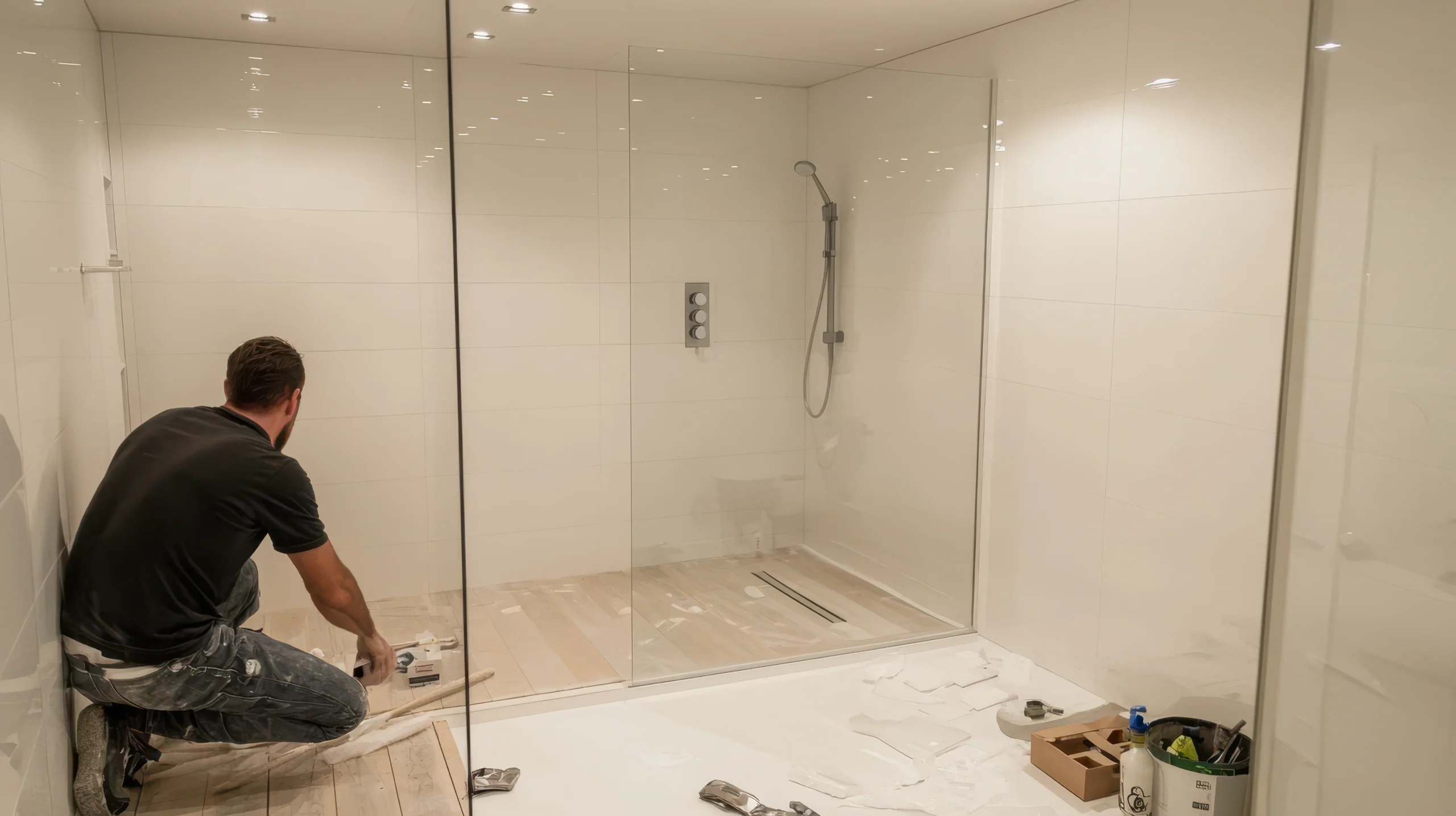
Create a Home That Stays in Sync with Your Journey
Adaptive Luxury goes beyond renovation; it is about aligning your home with your lifestyle and personal evolution. A well-considered home supports daily routines, accommodates new habits, and anticipates future needs. For instance, a home office designed for productivity today may need flexible furniture and lighting solutions to accommodate changing work patterns in the future. A playroom for children can later transition into a sophisticated lounge or entertainment area, while still maintaining both functionality and design integrity. Similarly, outdoor terraces or multi-purpose spaces can evolve from recreational areas for children to intimate retreats for adults.
GROF provides the modularity, expertise, and high-end solutions that allow homeowners to adapt gracefully as their lives change. By advising on the right materials, layouts, and technologies, we ensure that every decision made today contributes to a home that remains functional, elegant, and deeply personal for years to come.
Investing in adaptive design is ultimately an investment in your lifestyle. Every cabinet, surface, and fixture can be selected not only to meet present needs but also to anticipate future use. The result is a home that tells the story of who you are and who you are becoming, a space that evolves with your life while maintaining luxury, comfort, and coherence in every detail.
Because your home should tell the story of who you are and who you are becoming.